
Forensic Teardown of a Transformer: Process and Benefits
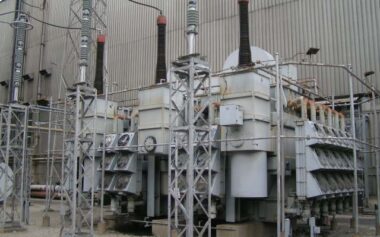
Transformers are among the most critical components in electrical power systems, responsible for stepping voltages up or down to ensure reliable transmission and distribution. When a transformer fails, the consequences can be severe, including widespread outages, costly equipment replacement, and safety hazards. To understand why a failure occurred and to prevent similar issues in the future, engineers often conduct a forensic teardown of the failed unit.
This specialized investigation provides insights into the root cause of failure, guiding maintenance strategies, equipment design, and operational practices.
What is a Forensic Teardown?
A forensic teardown is a structured, step-by-step disassembly and analysis of a transformer following a malfunction or catastrophic failure. Much like a forensic investigation in medicine or law enforcement, the goal is to uncover hidden clues that explain what went wrong. The process involves careful documentation, testing, and inspection of both external and internal components.
Steps in a Transformer Forensic Teardown
- Preliminary Data Collection – Review of operational history, maintenance logs, and load data. Examination of protective relay records, fault currents, and dissolved gas analysis (DGA) results.
- External Inspection – Visual inspection of bushings, tank, radiators, and protective devices for signs of arcing, leaks, or overheating. Photography and documentation of external damage.
- Oil Sampling and Analysis – Transformer oil is tested for moisture content, acidity, breakdown voltage, and dissolved gases. Results can indicate thermal faults, electrical discharges, or prolonged degradation.
- Internal Examination – Careful disassembly of the transformer, including removal of the core and windings. Inspection for insulation breakdown, winding displacement, burn marks, shorted turns, and mechanical deformation.
- Materials Testing – Laboratory analysis of insulation paper, conductors, and structural materials. Microscopic or chemical testing may reveal overheating, contamination, or manufacturing defects.
- Root Cause Analysis – All evidence is compiled into a report detailing the direct cause of failure (e.g., insulation breakdown, lightning surge, mechanical stress, oil contamination). Contributing factors such as improper maintenance, design flaws, or operational overload are also identified.
Benefits of Forensic Teardown
- Identification of Root Cause – Pinpointing the exact cause of transformer failure helps prevent recurrence, ensuring that similar units do not suffer the same fate.
- Improved Safety – Understanding failure mechanisms reduces the risk of future catastrophic events, protecting workers and communities from fire, explosions, or electrical hazards.
- Cost Savings – By learning from a failure, utilities and industries can avoid unnecessary replacement of healthy equipment, optimize repair strategies, and extend the lifespan of other transformers in service.
- Enhanced Maintenance Practices – Insights gained from a teardown feed into predictive and preventive maintenance programs, improving equipment reliability.
- Design Improvements – Manufacturers benefit from teardown data by refining transformer design, materials, and quality control, leading to more robust equipment in the future.
- Regulatory and Insurance Compliance – A well-documented forensic report can satisfy regulatory requirements and assist in insurance claims related to transformer failure.
Case Study: Transformer Failure in a Manufacturing Plant
In 2022, a 20 MVA transformer at a large U.S. manufacturing plant failed unexpectedly, resulting in a costly production halt. Initial dissolved gas analysis showed elevated hydrogen and acetylene levels, indicating possible arcing, but the exact cause was unclear.
A forensic teardown was conducted with the following findings:
- External inspection revealed charring near one bushing and evidence of oil leakage.
- Oil analysis confirmed high moisture content and severe oxidation, pointing to long-term degradation.
- Internal examination uncovered localized insulation breakdown in the high-voltage winding, with clear burn marks and melted copper.
- Materials testing showed that the paper insulation had become brittle and acidic due to poor oil maintenance.
Root Cause: The teardown concluded that the failure resulted from inadequate oil maintenance. The oil’s degraded condition reduced dielectric strength, leading to insulation failure and electrical arcing inside the winding.
Outcome:
- The plant upgraded its transformer oil monitoring program to include regular DGA and moisture checks.
- Maintenance staff received additional training on oil reconditioning and replacement schedules.
- The manufacturer used the findings to recommend design improvements, including enhanced oil circulation paths for future models.
Benefits: The forensic teardown not only identified the immediate cause of the failure but also led to long-term improvements in maintenance practices, preventing similar issues at the facility’s other transformers. The lessons learned were shared with the equipment manufacturer, ultimately contributing to safer and more reliable transformer designs.
Conclusion
A forensic teardown of a transformer is far more than a technical exercise—it is a powerful diagnostic tool that combines engineering analysis with investigative techniques. By systematically uncovering the causes of failure, organizations can improve transformer reliability, reduce downtime, enhance safety, and save significant costs.
In a power system where reliability is paramount, the forensic teardown is not just a response to failure but an investment in future resilience.