PCBs (polychlorinated biphenyls) are man-made chemicals used in transformer insulating fluid due to their high boiling point and fire resistance. Because of their persistent, bioaccumulative, and toxic effect on the environment, the U.S. Environmental Protection Agency banned the manufacture of PCBs in 1979.
The EPA strictly regulates the disposal of PCBs and PCB-contaminated materials under the Toxic Substances Control Act (TSCA). Identifying whether a transformer contains PCBs is essential for proper handling and disposal.
Here’s how to determine if a transformer might contain PCBs:
Inspect Nameplate
PCBs were marketed under different names. If any of the following names are found on the nameplate, this is an indication of PCB-containing oil. Trade names for PCBs could include:
– Abestol, Aroclor, Askarel, Chlophen
– Chlorextol, DK, EEC-18, Fenclor
– Inerteen, Kennechlor, No-Flamol, Phenoclor
– Pyralene, Pyranol, Saf-T-Kuhl, Solvol
– Non-Flammable Liquid
Manufacture Date
Transformers manufactured before the 1979 ban are more likely to contain PCBs.
Visual Inspection
A visual inspection of a transformer for PCBs focuses on identifying potential leaks, signs of degradation, and the presence of PCB-containing materials. This inspection should include examining the transformer’s body, cooling system, connections, bushings, and other components for any signs of leaks or damage.
Oil Testing
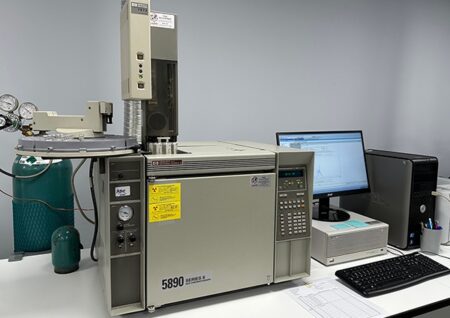
The most accurate and reliable method to confirm the presence and concentration of PCBs is through laboratory testing of the transformer oil.
Regulatory Compliance Records
Consult operating logs, maintenance logs and reports, or other relevant records for information about previous oil changes or PCB content.