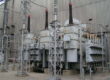

The Benefits of Recycling Transformer Oil
Transformer oil, also known as insulating oil, is a specialized mineral oil used in power transformers and other electrical equipment to provide insulation, cooling, and arc-quenching functions. Over time, transformer oil degrades due to exposure to heat, oxygen, and moisture, leading to reduced performance and potential risks for equipment failure. Traditionally, used transformer oil was discarded or incinerated, contributing to waste and environmental pollution. Today, however, recycling transformer oil has become an essential practice for both economic and environmental reasons.

1. Environmental Protection
One of the greatest benefits of transformer oil recycling is the significant reduction of environmental impact. Used oil, if improperly disposed of, can contaminate soil and water, posing risks to ecosystems and human health. Recycling prevents the release of harmful hydrocarbons into the environment and reduces the demand for new crude oil extraction, conserving natural resources.
2. Cost Savings
Recycling transformer oil is far more cost-effective than purchasing new oil. By restoring used oil to a high-quality condition through processes such as filtration, dehydration, and vacuum treatment, utilities and industries can extend the service life of existing oil. This helps reduce procurement costs and minimizes the expenses associated with waste disposal.
3. Improved Equipment Performance and Longevity
Clean, high-quality transformer oil is critical to the safe and efficient operation of electrical equipment. Contaminated or degraded oil leads to reduced dielectric strength, increased risk of arcing, and overheating. Recycling restores oil’s insulating properties, moisture resistance, and oxidation stability, which in turn improves equipment reliability and extends the lifespan of transformers.
4. Compliance with Regulations
Many countries, including the United States, regulate the handling and disposal of used oils to prevent environmental contamination. Recycling programs help facilities stay in compliance with these regulations, avoiding potential fines or legal issues. In cases where oil contains hazardous substances such as PCBs (polychlorinated biphenyls), regulated treatment and recycling ensure safe management of toxic materials.
5. Energy Conservation
Producing new transformer oil from crude oil requires significant energy input. Recycling oil uses substantially less energy, reducing the overall carbon footprint of utility operations. This contributes to broader sustainability goals and supports the transition toward more environmentally responsible energy systems.
6. Circular Economy Contribution
Recycling transformer oil supports the principles of a circular economy by turning waste back into a valuable resource. Instead of being discarded, oil is reconditioned and reused, keeping materials in circulation and reducing dependence on virgin resources. This practice aligns with global initiatives to improve resource efficiency and reduce industrial waste.
How Transformer Oil is Recycled: Step-by-Step
- Collection and Testing – Used transformer oil is carefully drained and sampled. Laboratory analysis determines the oil’s condition, checking for contaminants such as moisture, acids, sludge, and PCBs.
- Pre-Filtration – Large particles, sludge, and debris are removed through coarse filtration. This prevents clogging in later purification stages.
- Dehydration and Degassing – Moisture and dissolved gases are eliminated using vacuum dehydration and degassing units. Removing water and oxygen restores dielectric strength and reduces the risk of electrical breakdown.
- Fine Filtration – The oil is passed through fine filters to remove smaller particulates and impurities that affect performance.
- Reconditioning and Additives – In some cases, chemical treatments are used to neutralize acids or restore oxidation stability. Additives may be introduced to enhance the oil’s properties and extend its service life.
- Quality Testing – The recycled oil undergoes dielectric, moisture content, and breakdown voltage testing to ensure it meets industry standards for safe reuse.
- Reintroduction – Once certified, the reconditioned oil can be reused in transformers or other electrical equipment, reducing waste and lowering operating costs.
Conclusion
Recycling transformer oil offers a wide range of benefits, from protecting the environment and conserving energy to reducing operational costs and extending the life of critical electrical infrastructure. The recycling process itself is systematic and effective, transforming degraded oil back into a reliable resource.