
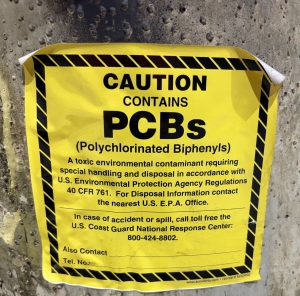
Understanding PCB regulations, environmental responsibility, and the risks of improper transformer disposal.
Transformers are essential to the electrical infrastructure that powers our industries, businesses, and communities. However, older transformers and other electrical equipment may contain polychlorinated biphenyls (PCBs), hazardous chemicals that can create significant environmental and financial liabilities when equipment, dielectric fluids, or contaminated materials are improperly managed.
For utilities, industrial facilities, transformer owners, equipment brokers, and companies involved in transformer sales and recycling, understanding the cradle-to-grave responsibility associated with PCB-containing equipment is essential. A transformer’s environmental liability does not necessarily end when it is sold, removed from service, transported to a processing facility, or transferred to another company.
Environmental Protection Services (EPS) understands the importance of responsible PCB management. Our approach goes beyond simply meeting minimum regulatory thresholds. We are committed to ensuring that materials leaving our facility contain no residual PCBs, including materials from units that arrive with PCB concentrations below the applicable federal regulatory threshold.
What Does Cradle-to-Grave Liability Mean?
Cradle-to-grave liability describes the potential for environmental responsibility to follow hazardous materials throughout their life cycle, from their original use through handling, transportation, processing, recycling, and final disposal.
Under the federal Toxic Substances Control Act (TSCA), the U.S. Environmental Protection Agency (EPA) regulates the use, handling, storage, cleanup, and disposal of PCBs through regulations found in 40 CFR Part 761.
Separately, the Comprehensive Environmental Response, Compensation, and Liability Act (CERCLA), commonly known as Superfund, authorizes the cleanup of contaminated sites and establishes liability for certain parties associated with hazardous substances released into the environment.
These laws serve different purposes, but both are important when managing transformers and PCB-containing materials.
A company that generates PCB-containing waste should not assume that its responsibilities disappear simply because the material has been shipped to a third party. If improper handling or disposal results in environmental contamination, the circumstances may expose the generator and other responsible parties to substantial cleanup costs and legal claims.
For more information, review the EPA's PCB disposal and storage requirements.
Understanding the 50 Parts Per Million PCB Threshold
One of the most important concepts in federal PCB regulation is the concentration threshold of 50 parts per million (ppm).
Under TSCA, equipment and materials are classified and regulated according to PCB concentration, equipment type, use, and other applicable conditions. For example, a PCB Transformer is generally defined as a transformer containing 500 ppm or greater PCBs, while transformers containing 50 ppm or greater but less than 500 ppm generally fall within the PCB-contaminated transformer category.
These classifications affect the regulatory requirements for equipment management and disposal.
However, the 50 ppm threshold should not be interpreted as a universal declaration that all materials below that concentration are free from regulatory obligations or environmental risk.
- Equipment classification matters. Different requirements apply to PCB Transformers, PCB-contaminated electrical equipment, PCB liquids, PCB bulk product waste, and PCB remediation waste.
- Disposal requirements vary. The permitted disposal method depends on the type of material, its PCB concentration, its history, and the applicable regulatory provisions.
- Spills and releases create additional concerns. PCB contamination of soil, concrete, groundwater, or other environmental media can trigger cleanup obligations, depending on the circumstances and applicable requirements.
- State and local requirements may also apply. Compliance with federal PCB regulations does not automatically establish compliance with every other applicable environmental requirement.
The key takeaway is that a concentration below 50 ppm does not, by itself, answer every question about the proper handling, recycling, or disposal of a transformer and its associated materials.
For specific federal requirements, consult 40 CFR § 761.50 — PCB Applicability.
Why Improper PCB Disposal Can Lead to Superfund Liability
The potential financial consequences of improper PCB management extend far beyond the original cost of disposing of a transformer.
Under CERCLA, the EPA can pursue cleanup costs from parties that fall within certain statutory liability categories. These may include current and former owners or operators of contaminated facilities, parties that arranged for the disposal or treatment of hazardous substances, and certain transporters that selected the disposal site.
PCBs are among the substances addressed by federal environmental laws, and their release into the environment can create significant cleanup concerns.
Consider a company that removes an old transformer from service and sends it to a recycler or disposal contractor. If the contractor subsequently disposes of PCB-contaminated oil, scrap metal, or other materials improperly, contamination could affect the receiving property and surrounding environment.
Depending on the facts, the original generator or other parties involved in the waste transaction could be identified as potentially responsible parties in a Superfund cleanup.
The resulting costs can include environmental investigations, soil and groundwater sampling, engineering studies, removal of contaminated materials, long-term monitoring, and remediation. In some circumstances, cleanup costs can reach millions of dollars.
Improper disposal of PCB-containing materials can therefore expose the generator to substantial environmental liability, including potential Superfund cleanup costs. The specific liability depends on the circumstances, the parties involved, the nature of the release, and applicable legal defenses or limitations.
Importantly, a PCB concentration below 50 ppm does not automatically establish that a release is harmless or that CERCLA liability is impossible. The applicable hazardous-substance requirements, release conditions, and other facts must be evaluated independently of the TSCA disposal threshold.
Learn more about the EPA's explanation of Superfund liability and how potentially responsible parties may be required to pay for environmental cleanup.
PCB Liability Does Not End When a Transformer Leaves Your Property
Transformer owners frequently rely on outside contractors to remove equipment, drain dielectric fluid, process transformers, recover recyclable materials, and arrange for final disposal.
These services are an important part of responsible equipment management, but selecting a contractor based solely on price or the ability to accept a particular PCB concentration can create unnecessary risk.
Before transferring a transformer or PCB-containing material, owners and generators should consider several questions.
1. Does the Contractor Understand the Applicable PCB Regulations?
The contractor should understand the requirements for the specific transformer classification and each material generated during processing, including dielectric fluid, scrap metal, internal components, contaminated debris, and cleaning residues.
2. Are All Waste Streams Managed Appropriately?
Processing a transformer creates multiple potential waste streams. Proper management requires more than draining the oil. The contractor must also address contaminated components, residues, debris, and other materials in accordance with the requirements applicable to each stream.
3. Can the Contractor Document How Materials Are Processed and Disposed Of?
Records of incoming equipment, analytical results, processing activities, waste shipments, and final disposition help demonstrate responsible management. Documentation can be especially important if questions arise years after the original transaction.
4. Does the Contractor's Approach Go Beyond Minimum Regulatory Thresholds?
A facility's willingness to accept lower-concentration PCB materials does not necessarily mean that every material generated during processing will be managed to the same standard. Owners should understand the facility's procedures and the conditions under which processed materials leave the site.
Choosing a qualified, environmentally responsible processing partner can help reduce the risk of improper disposal and provide greater confidence in the handling of retired electrical equipment.
The EPS Commitment: No Residual PCBs in Materials Leaving Our Facility
At Environmental Protection Services, we believe responsible PCB management requires attention to more than the regulatory classification of the equipment when it arrives.
EPS ensures that materials leaving our facility contain no residual PCBs, even when a transformer or other unit arrives with PCB concentrations below the applicable federal regulatory threshold.
This commitment reflects our emphasis on environmental responsibility throughout the processing operation. Rather than treating the regulatory threshold as the sole measure of success, our objective is to prevent PCB contamination from being carried forward in materials released from our facility.
For our customers, this approach provides an added level of confidence when managing retired transformers and other electrical equipment that may contain PCBs.
Whether a unit arrives with a higher PCB concentration or with a concentration below 50 ppm, the presence of PCBs is an important consideration in determining the appropriate processing and material-management procedures.
Our goal is to ensure that materials leaving EPS do not carry residual PCB contamination into subsequent recycling, reuse, or disposal activities.
Protecting the Value of Recyclable Materials While Managing Environmental Risk
Transformers contain valuable recoverable materials, including steel, copper, aluminum, and other metals. Responsible processing can help recover these resources while reducing the amount of material requiring disposal.
However, recycling should never come at the expense of environmental protection.
If PCB-contaminated materials are released into an inappropriate recycling stream or disposed of improperly, the resulting contamination can undermine the environmental and economic benefits of recycling. It can also create potential liabilities for the generator, the processing company, and other parties involved.
A responsible transformer recycling program should therefore consider both material recovery and contamination prevention. Appropriate processing, analytical verification, recordkeeping, and final disposition procedures help support these objectives.
At EPS, environmental responsibility is an essential part of the process, not an afterthought once the recoverable materials have been removed.
What Transformer Owners Should Do to Reduce PCB Liability
Companies preparing to retire, sell, recycle, or dispose of transformers can take practical steps to reduce environmental risk.
- Understand the equipment's history. Review available nameplate information, maintenance records, previous PCB testing, and other relevant documentation.
- Characterize the material when necessary. Appropriate sampling and analysis can help establish PCB concentrations and guide handling decisions.
- Choose a qualified processing partner. Evaluate the facility's experience, regulatory knowledge, processing procedures, and management of residual materials.
- Verify the final disposition. Obtain appropriate documentation showing how the transformer and the materials generated during processing were managed.
- Maintain records. Retain relevant analytical results, shipping records, processing documentation, and disposal records.
- Consider the full life cycle. Evaluate the environmental practices of contractors and downstream facilities rather than assuming that a transfer of ownership or possession eliminates all potential exposure.
These measures do not guarantee immunity from liability, but they can help organizations make better-informed decisions and demonstrate responsible environmental management.
Make Environmental Responsibility Part of Your Transformer Disposal Plan
PCB regulations are complex, and the consequences of improper management can extend well beyond the original equipment owner or disposal transaction. Understanding the distinction between regulatory concentration thresholds, equipment classifications, disposal requirements, and potential Superfund liability is essential for anyone involved in transformer retirement and recycling.
Environmental Protection Services is committed to responsible transformer processing and PCB management. By ensuring that materials leaving our facility contain no residual PCBs, EPS applies an environmental standard that goes beyond simply relying on the PCB concentration at which a unit arrives.
When your organization is preparing to retire, process, or recycle transformers, choosing the right partner can make a meaningful difference in how environmental risks are managed.
Contact Environmental Protection Services to discuss your transformer processing and recycling needs and learn how our approach can support your environmental compliance objectives.
Regulatory note: This article provides general educational information and is not legal advice. PCB requirements depend on the equipment, material, concentration, history, and specific activity involved. Consult the applicable regulations and qualified environmental or legal professionals when evaluating a particular situation.